

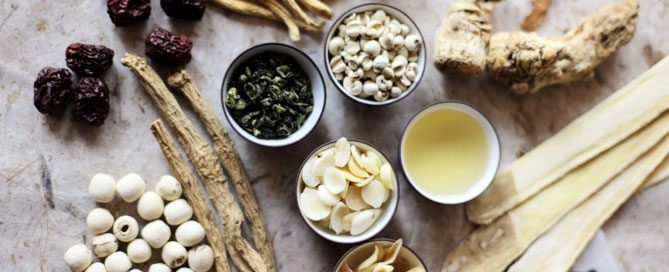
Chinese herbs consist of a variety of naturally found products that promote health. Most herbal formulas consist of four to fifteen herbs and treat a wide variety of symptoms while stimulating the body's natural healing process. At Malibu Acupuncture and Herbs, we use 5:1 powdered extracts processed here in the United States. These are usually made up for each patient's specific "pattern" and are dispensed in powder or capsule form. Occasionally, a pre-made extract in pill form will be prescribed.
From 15-20% of the standard Chinese herbal pharmacopia have originated from outside China. The Chinese have incorporated herbs from all over the world into their repertoire. What makes an herb "Chinese" is that they are prescribed according to Chinese medical theory and a traditional Chinese medicine "pattern" diagnosis.
For example, if a patient is suffering from arthritis that is aggravated by humidity or rain, their Chinese "pattern" diagnosis would include "invasion of cold and damp". There are certain plants that are very comfortable living in that sort of environment and have natural defenses against excessive cold and damp weather. One in particular is called Hai Tong Pi, Erythrina variegata, or Sea Vine Bark. This plant posseses the natural energetics to ward of the constant invasion of cold and damp, as it spends its life near the cold seas in China. Ingesting this herb will provide those who suffer from a cold and damp condition the same immunity as is enjoyed by Hai Tong Pi. Most likely, there is an active ingredient in Hai Tong Pi that is chemically structured to treat the pain from arthritis, but these tests have not yet been done. The chemical components of many herbs have been discovered and proven helpful for specific ailments, but thousands more have yet to be looked at in this way. However, the ancient "pattern" system works exceptionally well, and does not significantly change treatment plans for Chinese medical herbalists.
In California licensed acupuncturists are the only licensed health care professionals who are required to be trained and tested for competency in the prescription of herbal medicine. California-approved acupuncture schools offer a minimum of 300 classroom hours of instruction in traditional Chinese herbology, in addition to clinical training.
In recent years, herbs have become very popular. They're available in health food stores, supermarkets, and on the internet. While herbs are promoted as safe, gentle, inexpensive, "natural" alternatives to pharmaceutical drugs, many health care professionals have concerns about safety, effectiveness, and potential misuse of herbal products, especially when self-prescribed. There are also questions of purity, strength, and standardization of herbs, and considerations of side effects when taken in combination with other drugs. Chinese herbal medicine has been practiced safely and effectively for centuries and has the greatest potential for beneficial results when prescribed by a trained professional who recognizes the benefits and risks. Be sure to notify your acupuncturist if you notice any side effects from the herbs.